
Cranial Osteopathy for Post-Concussion Syndrome (PCS)
Cranial osteopathy is a specialized form of osteopathic treatment used for concussion recovery and head injury rehabilitation. With a refined sense of touch developed through seven years of blindness and 10+ years of clinical experience, I help restore nervous system regulation by realigning cranial bones and resolving restrictions affecting the head and neck. Many patients report relief from headaches, migraines, and post-concussion syndrome, as well as improved clarity, relaxation, and balance. See information below to learn about cranial biomechanics and my methods of realigning the skull.
Head injuries, concussions, and post-concussion symptoms are often connected to misalignment and biomechanical restriction of the cranial bones, upper cervical vertebrae, and deep sub-occipital tension. Continue reading information below >
-
The skull is not a single, solid structure. It’s made up of twenty two individual bones connected by interlocking grooves and beveled edges called sutures. These sutures are not fused, but function bio-mechanically as a complex system of joints. This allows the cranial bones to shift subtly in micrometers so the skull can articulate to accommodate for the rhythmic motion of the brain, motility of the nervous system and the fluctuations of cerebral spinal fluid.
-
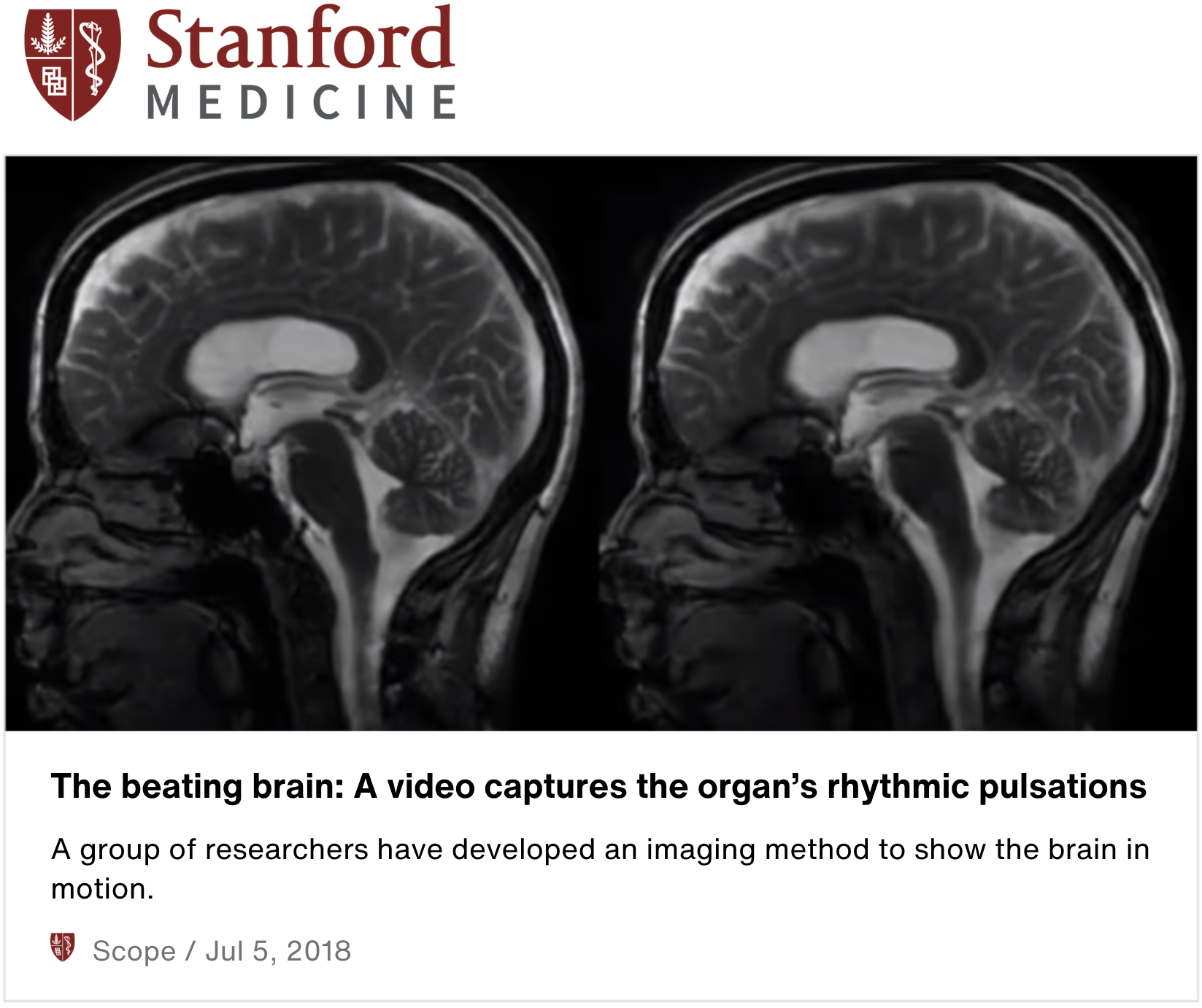
Dr. William Garner Sutherland, D.O. (1873-1954) theorized that the brain and nervous system exist in a continuous state of subtle rhythmic motion and motility. Modern MRI-based research, Including imagine published by Stanford researchers in 2018, has detected measurable rhythmic motion of the brain. This rhythmic cycle is commonly described as having phases of expansion and contraction lasting approximately six to eight seconds, with corresponding movement and redistribution of neural tissues and cerebrospinal fluid dynamics.
As the brain expands, it pulls the spinal cord and peripheral nerves in an upwards motion and as the brain contracts, it releases the entire nervous system elastically back down. This cycle repeats continuously and functions as the pumping mechanism that controls the fluctuations of cerebral spinal fluid (CSF).
-
Head impacts can cause misalignment of the cranial bones and biomechanical restrictions within the sutures; trapping the brain and nervous system in a dysrhythmic state of spasm. When this occurs, it can disrupt normal cranial biomechanics and contribute to protective tension and neurological dysregulation, particularly at the base of the skull, sphenoid, and upper cervical region. The deep sub-occipital tissues contain dense neurological feedback structures and vascular pathways, making this region especially influential in symptom persistence. In many cases, persistent symptoms are not only related to the initial injury, but to unresolved mechanical and neurological restriction that continues to stress the system. In my clinical view, cranial and upper cervical restriction are significant contributing factors in many presentations of persistent post-concussion symptoms. Clinical experience shows that releasing these restrictions and realigning the cranial bones through gentle cranial osteopathic treatment can lead to meaningful symptom improvement in many patients. Treatment is always gentle, non-forceful, and synchronized with the body’s inherent rhythmic motion.
Treatment:
-
Head Injuries
Post-Concussion Syndrome (PCS)
Headaches
Migraines
Whiplash
Neck Injuries
Deviated Septum
TMJD
Shoulder Injuries
Back Injuries
Scoliosis
Sciatica
Piriformis Syndrome
S.I. Joint Dysfunction
Pelvic Alignment
Hand, Wrist, and Elbow Injuries
Nervous System Regulation
Digestive Issues
Shallow Breathing
Hip, Knee, Ankle, and Foot Injuries
Post-pregnancy
Infantile Colic
Complex & Unresolved Cases
And More
-
Our sessions are usually 60+ minutes, depending on how your body responds. I like to focus on what can be achieved in each session rather than adhering to set amounts of time. Some treatments take longer to address deeper issues, while others are more straightforward.
-
Spacing of our sessions is based on progress and regression. At the start, especially with complex cases, I like to keep sessions closer together. This minimizes the window of regression, allowing us to make continuous progress without having to redo work done in previous sessions.
As your body responds and primary adjustments are achieved, treatment frequency gradually tapers: weekly sessions become biweekly → monthly → 2–3 months → 3–6 months → yearly, or until optimal recovery is reached.
-
Easy cases: 1 - 8 sessions
Moderate: 8 - 12 sessions
Complex: 12 - 20+ sessions
-
Condensed treatment plans are utilized for international cases and those travelling from long distances. 3 to 6 weeks is the general timeframe for condensed treatment plans.
-
Perceived Percentage of Recovery (PPR): Is a simple metric used for gauging overall recovery progress. (0%) being in the worst state imaginable and (100%) being back to full function with no sign of symptoms. We use this metric as a communication tool for quick assessment and feedback.
Symptom Tracking Journal: Is an in-depth tracking system used for gauging individual symptom progress. We are continuously adapting to our new normal thus it’s hard to remember how we felt last week, last month or even yesterday. This tracking system helps us become aware of individual symptom changes as they occur.
-
$180 - 30+ minutes
$360 - 60+ minutes
My rates reflect the level of skill, precision, and individualized focus each patient receives.
-
Acupuncture, cupping, and massage therapy pair beautifully with osteopathic care. See the Health Resources page for trusted referrals.
-
Osteopathic treatment is covered through most private insurance and group benefit plans. For those who have coverage, a portion of your treatment expenses should be reimbursed upon submitting your receipts.
ICBC claims seem to be approved for osteopathic treatment on a case by case basis. If you are requesting coverage through ICBC, I can assist by providing a letter to explain why your recovery will be greatly benefited by our treatments.
-
I sterilize all equipment with alcohol before and after each use. Breathing freely and fully is a vital aspect of treatment, therefore, masks are not allowed. In order to ensure optimal results from treatment, there are several protocols that I ask each patient to adopt. These protocols are listed through the patient portal which you will have access to upon acceptance of your case.